



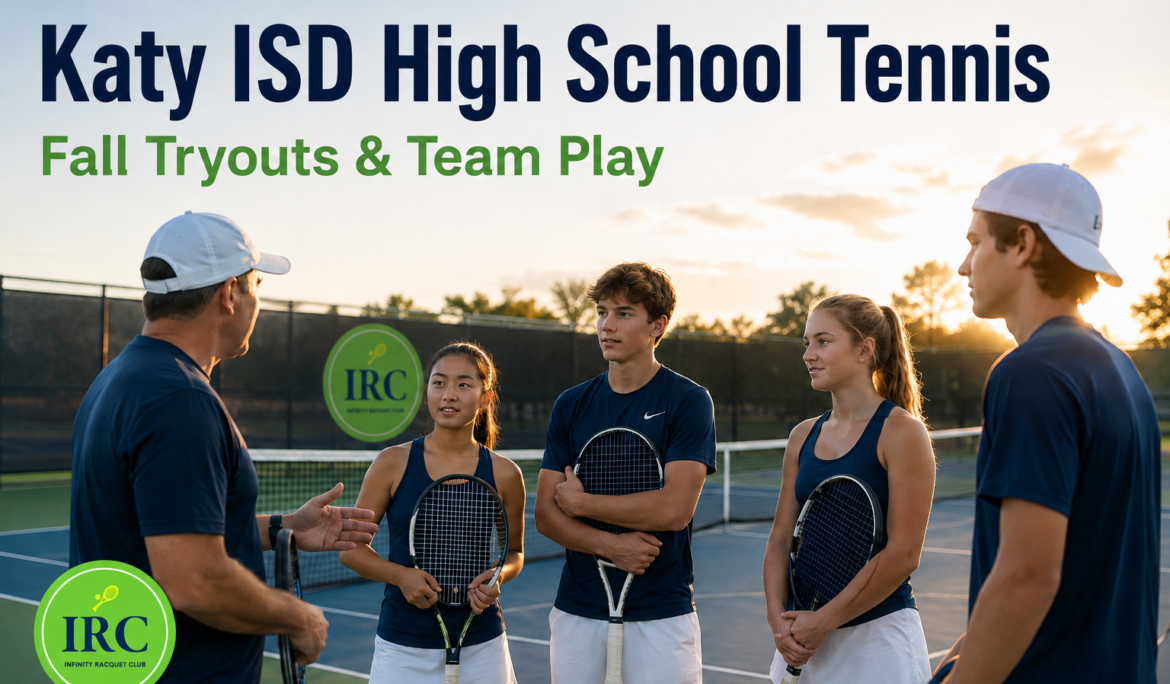
Katy ISD High School Tennis: How to Prepare for Fall Tryouts and Team Play
High school tennis can be exciting, but tryouts can also feel stressful. Many players wonder if their serve is strong enough, if their footwork is ready, or if they can handle match pressure in front of coaches.
For students preparing for Katy ISD High School Tennis, fall tryouts are not only about hitting hard. Coaches usually look for consistency, effort, court awareness, fitness, attitude, and the ability to compete as part of a team.
This guide explains how players in Katy, Fulshear, Cross Creek Ranch, Firethorne, and nearby areas can prepare for fall tryouts and team play. It also gives parents a clear view of what matters before the season begins.
Why Fall Tryout Preparation Matters
Fall tennis preparation should begin before tryout week.
A player may have good strokes, but that alone does not guarantee readiness. Tryouts often test how well a student handles pressure, adapts during points, communicates on court, and competes with discipline.
Therefore, preparation should include more than casual hitting. Players need a balanced routine that builds skill, movement, fitness, confidence, and match awareness.
A good preparation plan helps players:
- Improve consistency
- Build serve confidence
- Move better on court
- Handle pressure points
- Understand singles and doubles
- Stay calm after mistakes
- Show effort and coachability
For many teens, structured tennis practice before fall can make a major difference.
What Coaches May Look for During Tryouts
Every school and coach may use a different tryout process. Players should always confirm the exact requirements with their school coach.
However, most high school tennis tryouts often evaluate a mix of technical, physical, and mental skills.
| Area | What It Means |
| Consistency | Can the player keep the ball in play? |
| Serve | Can the player start points reliably? |
| Footwork | Can the player move and recover well? |
| Match Play | Can the player compete with purpose? |
| Attitude | Does the player respond well to feedback? |
| Fitness | Can the player handle longer rallies? |
| Team Fit | Does the player support others and show respect? |
A player does not need to be perfect. However, they should show effort, focus, and willingness to improve.
Build Consistency Before Power
Many high school players focus too much on hitting winners.
Power looks impressive, but consistency wins more tryout points. Coaches often notice players who can rally, recover, and make smart decisions.
A consistent player can:
- Hit several balls in a row
- Avoid unnecessary errors
- Aim with control
- Reset during difficult points
- Keep pressure on the opponent
- Stay patient during rallies
Before tryouts, players should practice cross-court rallies, controlled serves, return placement, and simple point patterns.
A strong goal is to keep the ball deep and safe before trying risky shots.
Improve the Serve
The serve is one of the most important shots for high school tennis.
A player who double faults often may struggle in match play. Therefore, the first goal should be a reliable serve, not a perfect serve.
Players should work on:
- Consistent toss
- Balanced stance
- Smooth motion
- Contact point
- First-serve percentage
- Second-serve reliability
- Serve placement
A dependable second serve can help players stay calm during tryouts. It also shows coaches that the player can compete under pressure.
For doubles, serve placement matters even more. A smart serve can set up the partner at the net and start the point with control.
Practice Return of Serve
Many players spend time practicing serves, but they forget returns.
During tryouts, return games matter because players must show they can handle different serves. A good return does not need to be flashy. It needs to be controlled.
Players should practice returning:
- Slow serves
- Fast serves
- Wide serves
- Body serves
- Second serves
- Serves to the backhand
A simple return target is deep through the middle. This reduces risk and gives the player time to recover.
Good return habits show maturity and match awareness.
Footwork Can Separate Players
Footwork is one of the biggest differences between casual players and team-ready players.
A player with better movement can reach more balls, stay balanced, and recover faster after each shot. Even if their technique is still developing, strong footwork helps them compete better.
Players should focus on:
- Split step
- Quick first step
- Side shuffle
- Recovery to position
- Small adjustment steps
- Balance during contact
- Movement after wide balls
Footwork training does not need to be complicated. Cone drills, shadow swings, short sprints, and rally movement drills can help players prepare.
Coaches often notice effort through movement. A player who fights for every ball sends a strong message during tryouts.
Prepare for Singles and Doubles
High school tennis may involve both singles and doubles formats. Players should be ready for both.
Singles requires patience, fitness, shot selection, and mental toughness. Doubles requires communication, quick reactions, net confidence, and teamwork.
Singles Readiness
For singles, players should practice:
- Deep cross-court rallies
- Serve plus first shot
- Return plus recovery
- Defensive lobs
- Passing shots
- Short-ball approach
- Consistent point construction
Singles rewards players who can stay patient and compete through long rallies.
Doubles Readiness
For doubles, players should practice:
- Serve placement
- Return placement
- Volleys
- Overheads
- Net movement
- Calling the ball
- Partner communication
Doubles players must talk clearly and stay positive. A player who supports their partner can stand out during team selection.
Match Play Is Different from Practice
Practice rallies are useful, but tryouts often involve point play.
A player may hit well in drills but struggle when points count. That is why match practice is important before fall tryouts.
Players should play practice sets, tiebreaks, and pressure games. They should also practice starting points with serves and returns.
Good match practice teaches players how to:
- Recover after mistakes
- Choose safer targets
- Adjust to an opponent
- Manage nerves
- Compete when tired
- Stay focused between points
Even short match-play sessions can improve confidence.
Build a Simple Tryout Practice Routine
Players do not need a complicated plan. They need consistency.
A weekly routine before tryouts may include technical practice, movement work, serve practice, and match play.
| Practice Area | Purpose |
| Groundstrokes | Build rally consistency |
| Serve Practice | Reduce double faults |
| Return Practice | Improve point starts |
| Footwork | Move faster and recover better |
| Volleys | Prepare for doubles |
| Match Play | Build pressure confidence |
| Fitness | Support longer practices and matches |
A balanced routine helps players avoid last-minute panic before tryouts.
Fitness for High School Tennis
Tennis fitness is different from general fitness.
Players need quick movement, short bursts, balance, endurance, and recovery. Long rallies can become difficult if a player gets tired quickly.
Useful fitness areas include:
- Agility
- Speed
- Core strength
- Leg strength
- Balance
- Flexibility
- Endurance
- Recovery habits
Players should also focus on hydration, sleep, and warm-ups. These basics help reduce fatigue and support better performance.
Fitness preparation should be safe and age-appropriate. Players should avoid overtraining right before tryouts.
Mindset Matters During Tryouts
Tryouts can feel stressful because players know they are being watched.
However, coaches often look beyond the score. They may notice effort, attitude, focus, and how a player responds after errors.
A strong tryout mindset includes:
- Staying positive
- Listening carefully
- Trying every point
- Respecting other players
- Avoiding excuses
- Resetting after mistakes
- Showing coachability
A player who loses a point but responds well still shows maturity.
This matters because team tennis requires character, not only skill.
What Players Should Avoid Before Tryouts
Some mistakes can hurt performance during tryout week.
Players should avoid:
- Changing technique at the last minute
- Overtraining the day before tryouts
- Ignoring second-serve practice
- Playing only casual rallies
- Skipping warm-ups
- Getting frustrated after errors
- Comparing themselves too much with others
- Arriving unprepared
The goal is to arrive confident, rested, and ready to compete.
What to Bring to High School Tennis Tryouts
Players should prepare their tennis bag before tryout day.
A basic tryout bag may include:
- Tennis racket
- Backup racket, when available
- Tennis shoes
- Water bottle
- Towel
- Hat or visor
- Sunscreen
- Extra grip
- Athletic clothing
- Small snack
- Any school-required forms
Students should confirm with their school coach if any specific paperwork, eligibility forms, or physical documentation is required.
How Parents Can Support Their Teen
Parents play an important role during tryout preparation.
The best support is not pressure. It is structure, encouragement, and realistic planning.
Parents can help by:
- Encouraging regular practice
- Helping schedule lessons or court time
- Supporting healthy sleep and hydration
- Avoiding negative comparisons
- Asking the teen what support they need
- Keeping tryout expectations balanced
Teens perform better when they feel supported, not judged.
A calm parent can help a player stay calm too.
How Tennis Lessons Can Help Before Tryouts
A focused Tennis Lesson can help players prepare more effectively than random hitting.
A coach can identify technical issues, improve shot selection, and create drills that match the player’s goals. This can be especially useful before fall tryouts.
A lesson may help with:
- Serve consistency
- Groundstroke control
- Footwork patterns
- Return preparation
- Doubles positioning
- Match confidence
- Pressure-point practice
For players near Katy & Fulshear, Tennis Lesson IRC can be a helpful option for structured practice before the school tennis season.
Parents should contact IRC directly to confirm lesson availability, scheduling, and the best option for their teen.
Team Play: What Changes After Tryouts
Making a high school tennis team is only the beginning.
Team play requires commitment, discipline, and communication. Players must attend practices, support teammates, follow coach instructions, and compete with respect.
Team tennis also teaches responsibility. Players learn how to handle wins, losses, pressure, and team expectations.
Good teammates are:
- Reliable
- Respectful
- Positive
- Focused
- Encouraging
- Coachable
- Prepared
A strong team player helps the group, not only themselves.
Preparing for Doubles Team Chemistry
Doubles can be a major part of high school tennis. Even strong singles players may need time to adjust.
Good doubles players communicate often. They call shots, encourage partners, and move together.
Players should practice:
- Calling “mine” or “yours”
- Moving forward together
- Covering the middle
- Serving with a plan
- Returning cross-court
- Staying positive after missed shots
Doubles is not only about skill. It is also about trust and teamwork.
Simple Four-Week Tryout Preparation Plan
A four-week plan can help players prepare without feeling rushed.
| Week | Focus |
| Week 1 | Review fundamentals, serve motion, and rally consistency |
| Week 2 | Add footwork drills, return practice, and doubles basics |
| Week 3 | Play practice sets, tiebreaks, and pressure-point games |
| Week 4 | Refine serve, reduce errors, rest properly, and stay confident |
This is only a general guide. Players should adjust based on their current level, school schedule, and coach feedback.
FAQs About Katy ISD High School Tennis Preparation
What should students practice before Katy ISD High School Tennis tryouts?
Students should practice consistency, serving, returns, footwork, volleys, match play, and doubles communication. They should also confirm any school-specific tryout requirements with their coach.
How early should players start preparing for fall tennis tryouts?
Players should start several weeks before tryouts when possible. This gives them time to improve consistency, fitness, and confidence without rushing.
Do players need private tennis lessons before tryouts?
Private lessons are not required, but they can help players fix specific issues and prepare with more structure. A focused lesson can be useful for serving, footwork, and match-play strategy.
What matters more during tryouts: power or consistency?
Consistency usually matters more than power. Coaches often value players who can keep the ball in play, move well, listen to feedback, and compete with focus.
Should players prepare for singles or doubles?
Players should prepare for both. High school tennis may include singles and doubles, so students should practice rally skills, serves, returns, volleys, and communication.
What should players bring to tryouts?
Players should bring a racket, tennis shoes, water, towel, sunscreen, athletic clothing, and any school-required forms. They should confirm exact requirements with their school coach.
How can parents help before tryouts?
Parents can help by supporting consistent practice, encouraging rest and hydration, avoiding pressure, and helping players stay calm and prepared.
Conclusion
Preparing for Katy ISD High School Tennis takes more than hitting a few balls before tryout week. Players need consistency, movement, serve confidence, match experience, and the right mindset.
Fall tryouts reward players who show effort, coachability, focus, and team spirit. Therefore, students should prepare early, practice with purpose, and confirm school-specific requirements with their coach.
For teens near Katy and Fulshear who want structured tennis preparation, contact Infinity Racquet Club at 6215 Teal Rd, Fulshear TX 77441, call 346-318-3556, or email infinityracquetclub@gmail.com.